

Central banks in big economies are signalling a change of stance as the Bank of Japan raised interest rates to a 30-year high on Friday.
A day earlier the European Central Bank all but confirmed it was done with monetary easing and the Bank of England cut rates in a narrow vote as dissenters cautioned about price pressures.
Now all eyes are on how dovish the incoming next Federal Reserve will manage to be after some of the U.S. central bank’s policymakers warned the world’s biggest economy might already be running too hot.
Here’s where central banks in 10 developed markets stand:

1/ SWITZERLAND
The Swiss National Bank left its policy interest rate unchanged at 0% on December 11, the lowest among developed-market central banks, and said the recent agreement to reduce U.S. tariffs on Swiss goods had improved the economic outlook.
Even though Swiss inflation is at zero as the strong safe-haven franc lowers import costs, the bar for bringing rates into negative territory is high, and economists expect price growth to recover mildly next year and the SNB to stay on hold throughout 2026.

2/ CANADA
The Bank of Canada held its key rate at 2.25% last week, after 225 basis points of easing this cycle. Governor Tiff Macklem said the economy was proving resilient to U.S. trade measures.
The BOC is expected to keep rates on hold until 2027, after government spending and robust oil exports lifted third-quarter growth to 2.6% and the labour market

3/ SWEDEN
Sweden’s Riksbank also expects previous monetary easing to begin lifting growth and with year-on-year inflation running just above its 2% target, it held rates at 1.75% on December 18 and analysts anticipate it will hike again in late 2026.

4/ NEW ZEALAND
With unemployment stuck at a nine-year high, turning hawkish will be a tough choice for new Reserve Bank of New Zealand boss Anna Breman.
With a string of punchy rate cuts having helped propel inflation to the top end of the central bank’s target range, however, money markets see New Zealand’s cash rate nearing 3% by December 2026 from 2.25% currently.

5/ EURO ZONE
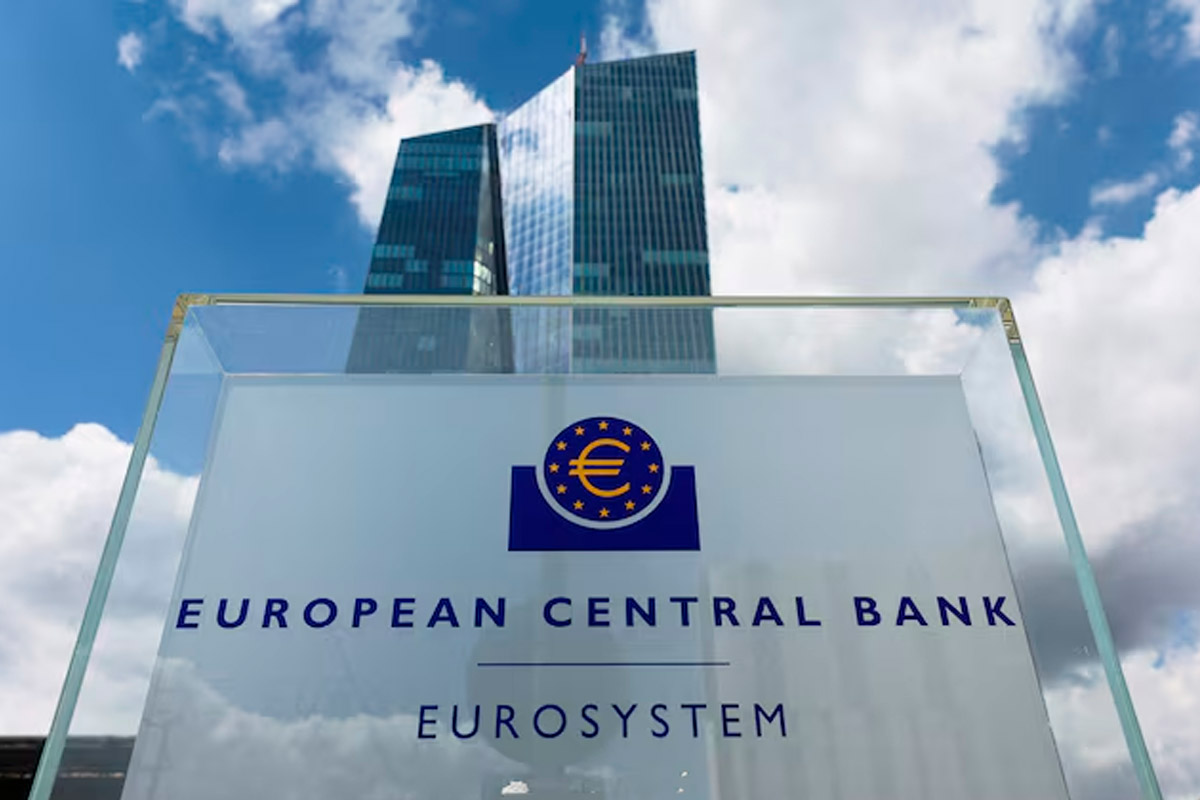
The European Central Bank has been firmly on hold at 2% since June and its latest pause on Thursday also came with upgrades to growth and inflation forecasts.
Traders settled on bets for a lengthy pause until at least June after ECB President Christine Lagarde cited heavy uncertainty and avoided forward guidance.

6/ UNITED STATES
The Federal Reserve cut rates on December 10, in a divided vote, then hinted at a pause.
Delayed jobs data showed that the labour market had declined in October, then snapped back the following month and U.S. business leaders also expect further price rises from tariffs.
Fed policymakers predict just one 25 bps cut in 2026, setting them up for potential clashes with President Donald Trump, who wants more easing, as does Fed Chair frontrunner and White House economic adviser Kevin Hassett.

7/ BRITAIN
Bank of England rate-setters voted narrowly for a quarter-point cut to 3.75% on Thursday and Governor Andrew Bailey warned future easing was a close call.
Información extraída de: https://www.reuters.com/business/finance/global-markets-cenbank-2025-12-19/